Tupolev Tu-144
World's first supersonic transport, Soviet rival to Concorde.

Froideval67 · CC BY-SA 4.0
The Tupolev Tu-144 (NATO reporting name: Charger) is a Soviet supersonic passenger airliner designed by the Tupolev Design Bureau.
- Manufacturer
- Voronezh Aircraft Production Association
- Design bureau
- Tupolev Design Bureau (OKB)
- Number built
- 16
- Cruise speed
- 2,200 km/h (1,400 mph, Mach 2)
Lore & Background
The Tu-144 was developed in response to a Soviet government directive to surpass Western advancements in aerospace technology. Sixteen aircraft were built by the Voronezh Aircraft Production Association. The Tu-144 was introduced into commercial service with Aeroflot between Moscow and Alma-Ata on 26 December 1975, with passenger flights beginning on 1 November 1977.
Reader's Guide
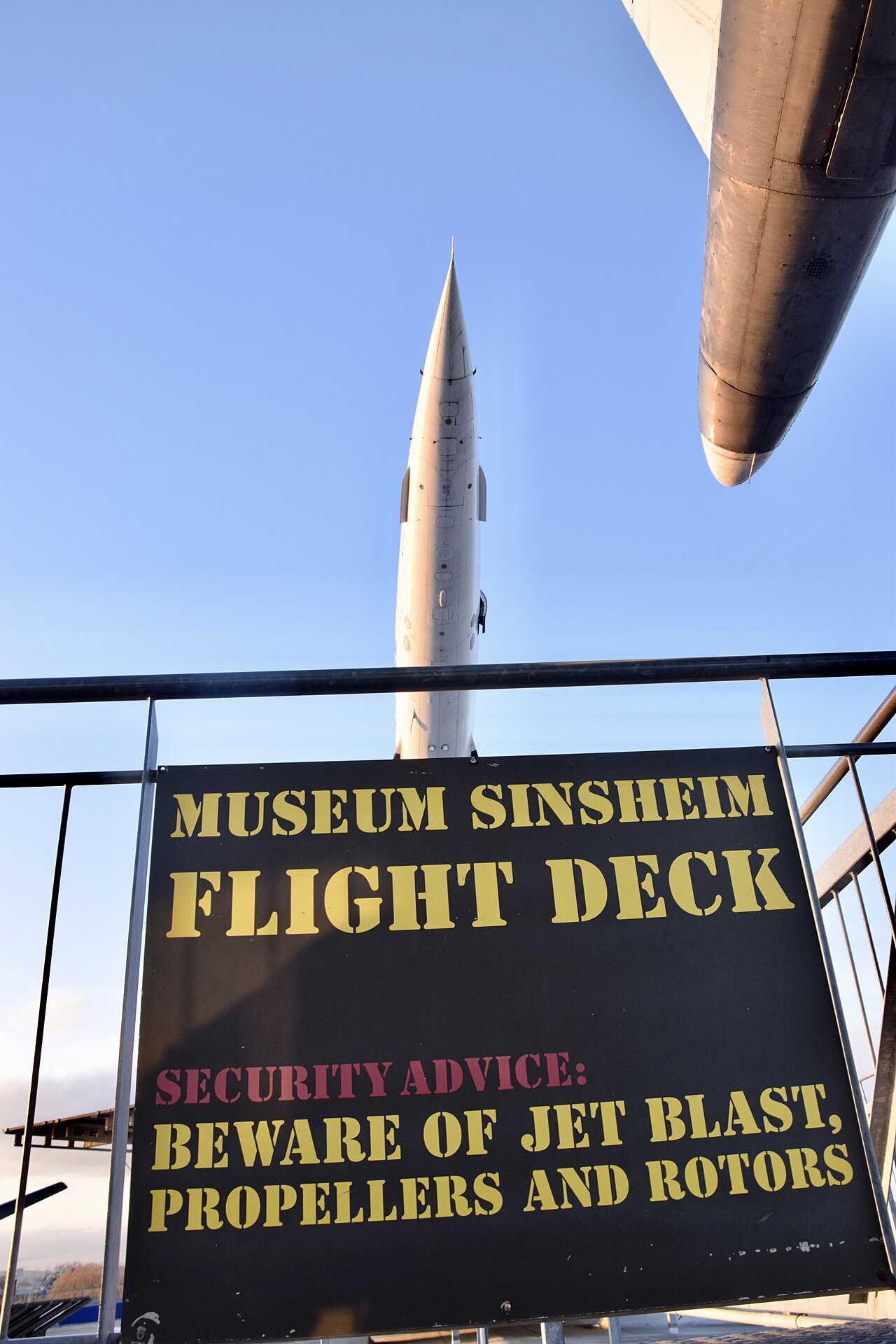
The Tu-144's significance lies in being the first supersonic transport to fly, beating the Concorde by two months. It demonstrated Soviet ambition in civil aviation during the Cold War, intended to challenge US dominance and serve vast domestic routes. However, its legacy is mixed: the aircraft suffered from reliability issues, limited range (initially about 2,500 km with the NK-144 engine), and a high specific fuel consumption that restricted commercial viability. Surviving aircraft are displayed in Russia, the former Soviet Union, and Germany.
Cold War Ambition and the Supersonic Sprint
The Tu-144 was born from a geopolitical imperative as much as an engineering one. During the Cold War, Soviet leadership viewed Western aerospace progress as a direct threat to national prestige. Nikita Khrushchev's directive was unambiguous: the USSR must not merely keep pace with the West but leapfrog it. The vast geography of the Soviet Union provided a practical rationale as well—supersonic travel could compress week-long rail journeys between Moscow and Siberian cities into a fraction of the time, making it economically sensible for government personnel. Aeroflot, the state flag carrier, envisioned a fleet of roughly twenty Tu-144s serving both domestic corridors and international routes, with ambitions as far as Sydney, Australia. The Tupolev Design Bureau, the OKB led by aeronautics pioneer Aleksey Tupolev, took up the challenge. Sixteen airframes were ultimately built by the Voronezh Aircraft Production Association.
Engineering a Different Beast
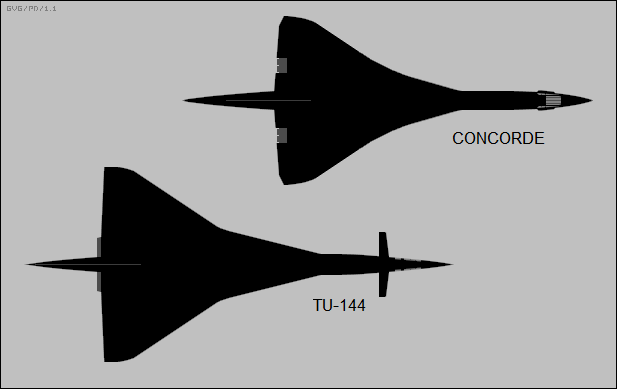
Despite earning the nickname "Concordski" for its visual resemblance to the Anglo-French rival, the Tu-144 was a fundamentally different machine. It was larger and capable of a higher top speed—Mach 2.15 against Concorde's 2.04. Tupolev engineers could not acquire the Lucas electronic engine-control package used on Concorde, as it was restricted for military applications, forcing them to develop their own systems. Where Concorde routed fuel through the cabin and hydraulic circuits as a coolant, the Tu-144 relied on fuel-hydraulic heat exchangers paired with dedicated cooling turbines for passenger air. The prototype served as a full-scale demonstrator while the production type was designed in parallel. A MiG-21I testbed, designated "Analog," validated the wing concept but arrived too late for the first airframe, prompting a complete redesign. The production aircraft adopted a double-delta wing with both spanwise and chordwise camber, replacing the prototype's simpler ogival delta.
A Fleeting Commercial Career
The Tu-144's time in the passenger sky was brief and troubled. Aeroflot inaugurated commercial service on the Moscow–Alma-Ata route on 26 December 1975, but scheduled passenger flights did not begin until 1 November 1977.
Life After the Last Passenger
Long after its passenger career ended, the Tu-144 found unexpected second acts. The Soviet space programme repurposed the aircraft to train pilots of the Buran spacecraft, putting a supersonic airliner to work in a role far removed from its original purpose. Surviving airframes were dispersed across Russia, other former Soviet republics, and Germany, where they were either placed on public display or set aside into storage. The Tu-144, identified by NATO under the reporting name "Charger," thus transitioned from a Cold War emblem of Soviet aerospace ambition into a quiet fixture of aviation collections, its lasting significance rooted in the engineering firsts it claimed ahead of its Western counterpart.
Common Misconceptions (Editorial)
Some believe the Tu-144 was never put into commercial service, but it was introduced on the Moscow–Alma-Ata route in 1975, with passenger flights beginning in 1977. Others assume it was built in very small numbers solely as a prototype, though sixteen aircraft were actually produced by the Voronezh Aircraft Production Association.
Why It Matters (Editorial)
The Tu-144 remains a striking symbol of Cold War-era technological rivalry, demonstrating the Soviet Union’s ambition to match or exceed Western aerospace achievements. Its brief commercial service highlights both the engineering audacity and the operational challenges that come with pushing the boundaries of passenger aviation.
Gallery
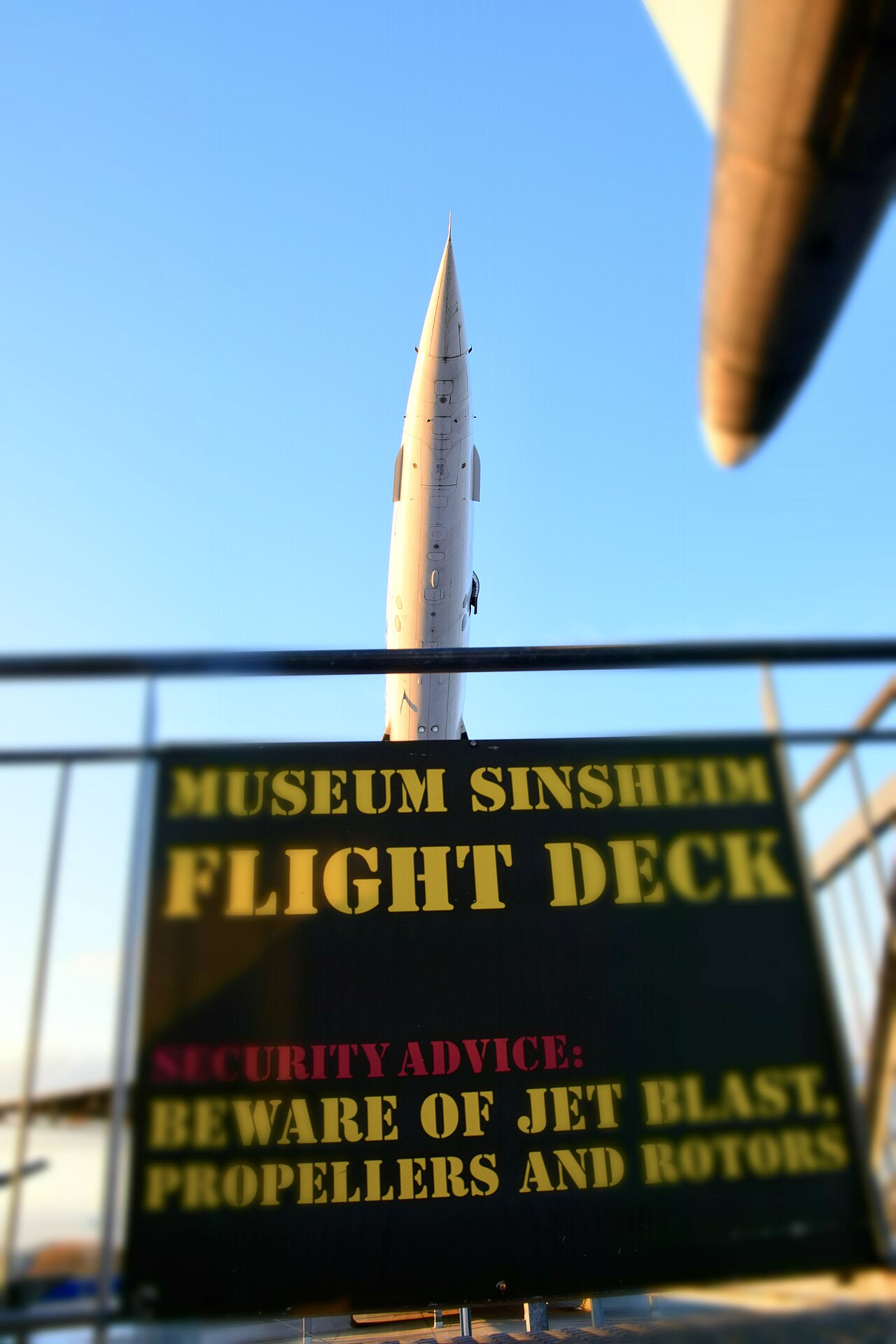
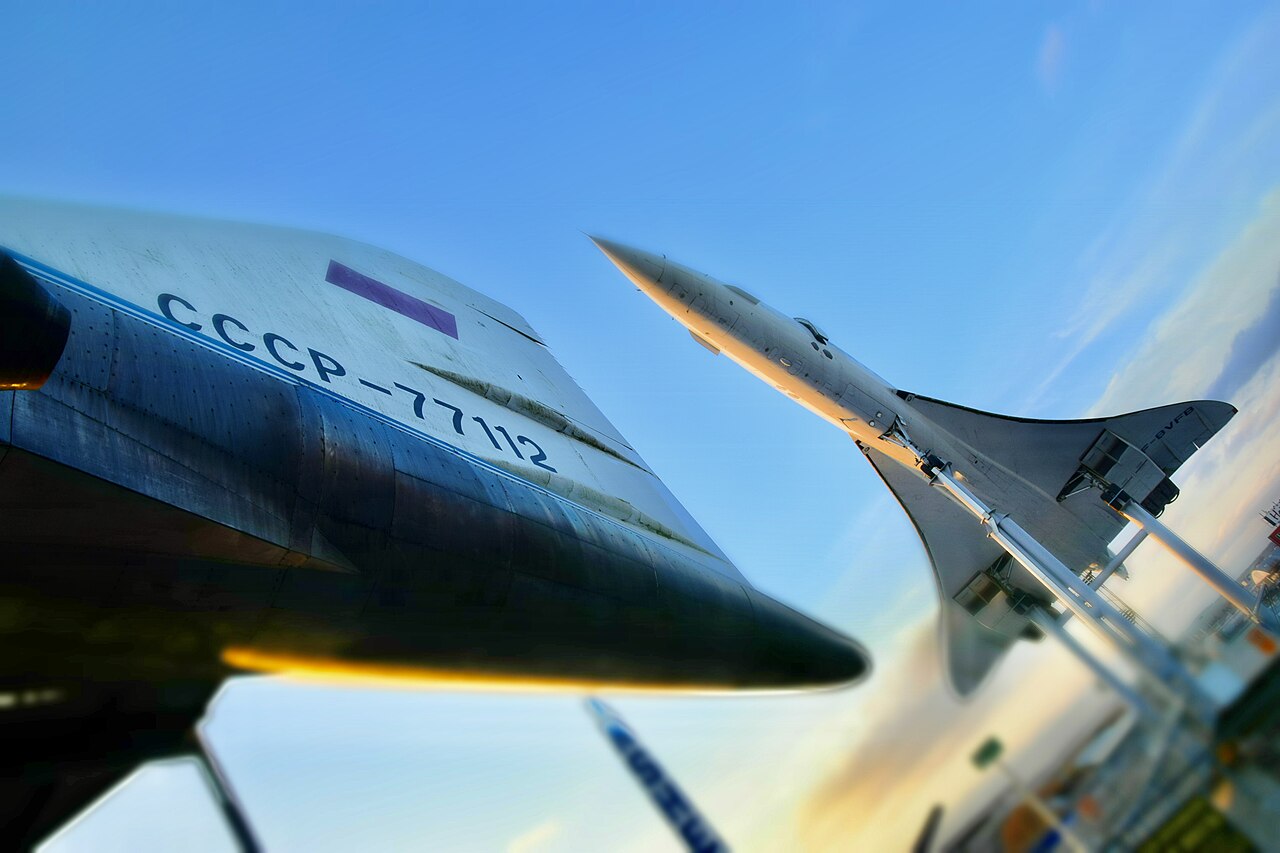
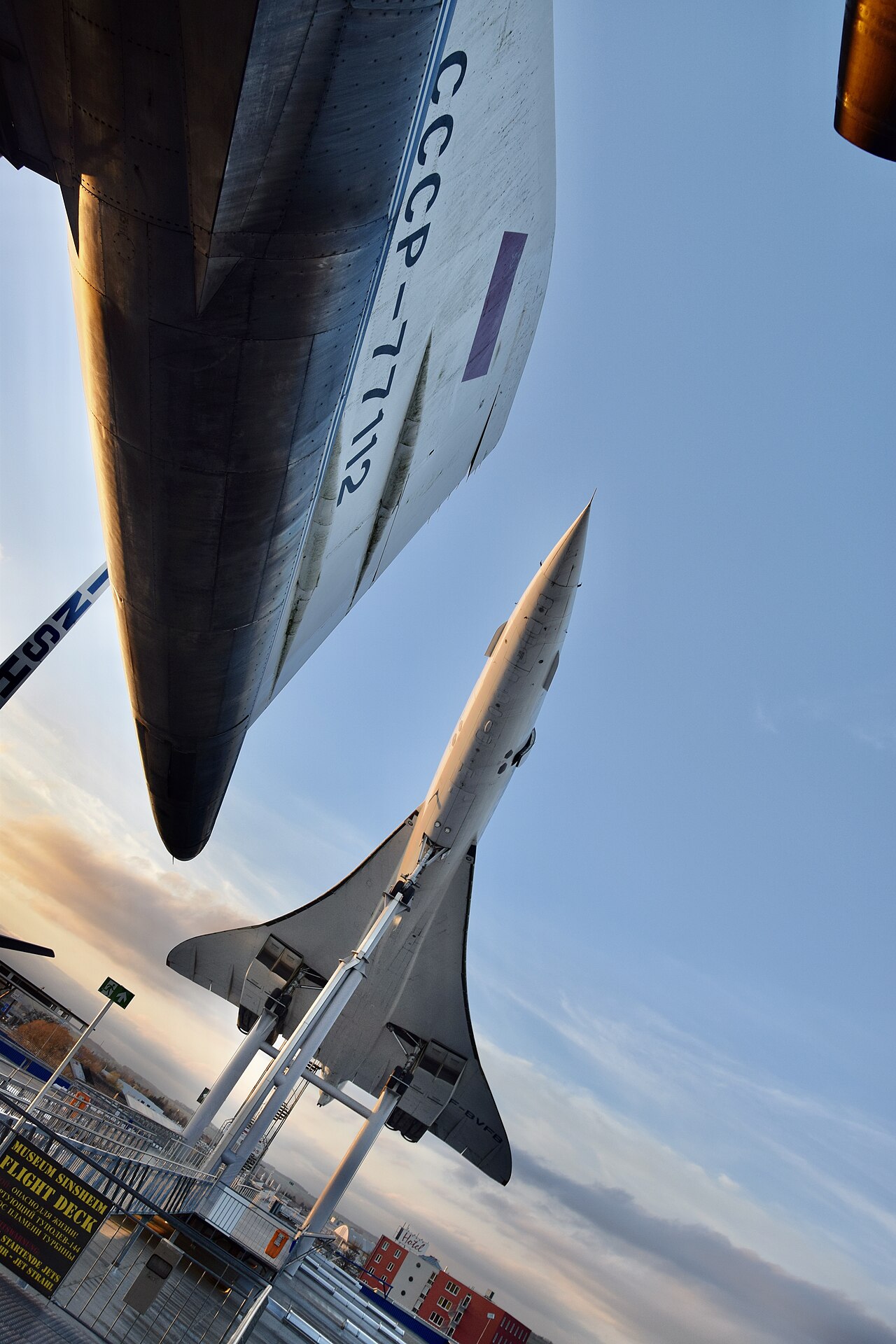
Frequently Asked Questions
How does the Tu-144 compare to the Concorde?
The Tu-144 preceded the Concorde's maiden flight by roughly two months, claiming the 'first supersonic airliner' title. Both cruised at Mach 2, but the Tu-144 relied on variable-geometry wings while the Concorde used a fixed delta planform, and the Soviet type saw far fewer revenue operations.
More in Airliners 1-20
Spotted an error? Know more?
This is a living reference — every entry is fact-audited, and reader corrections feed straight into our audit queue. Suggest an edit · See this site's audit record