Boeing 737
American narrow-body jet produced by Boeing since 1967.

Shougissime · CC BY-SA 4.0
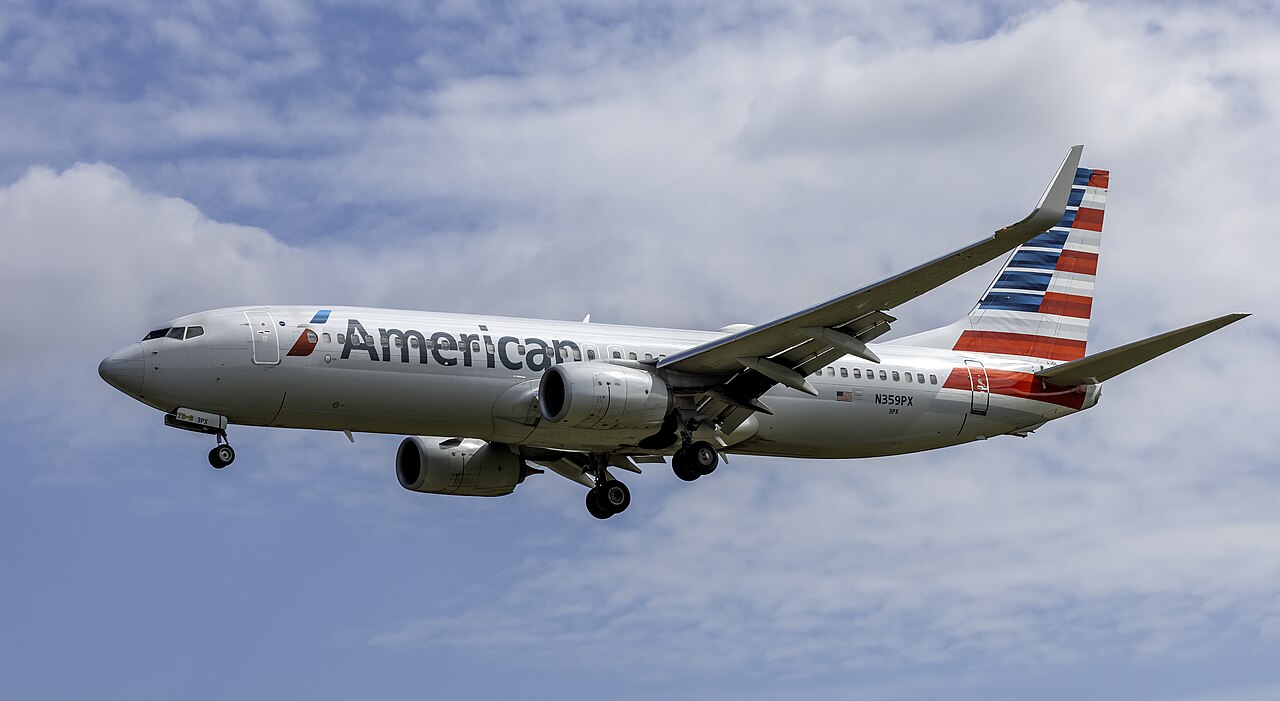
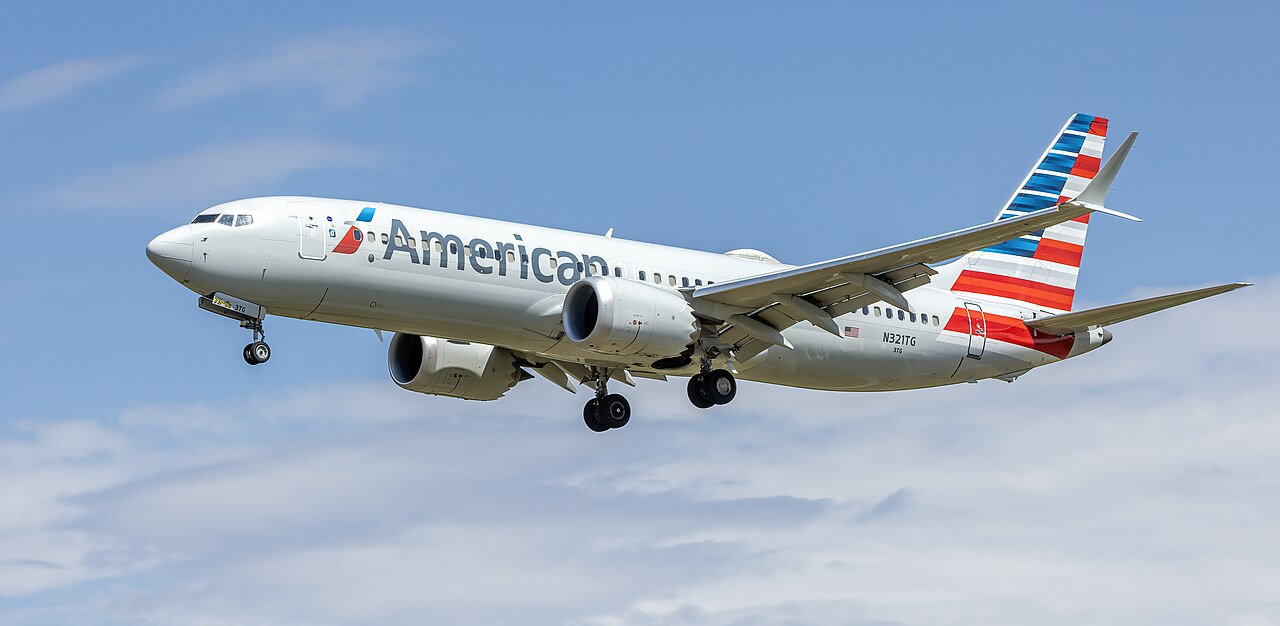
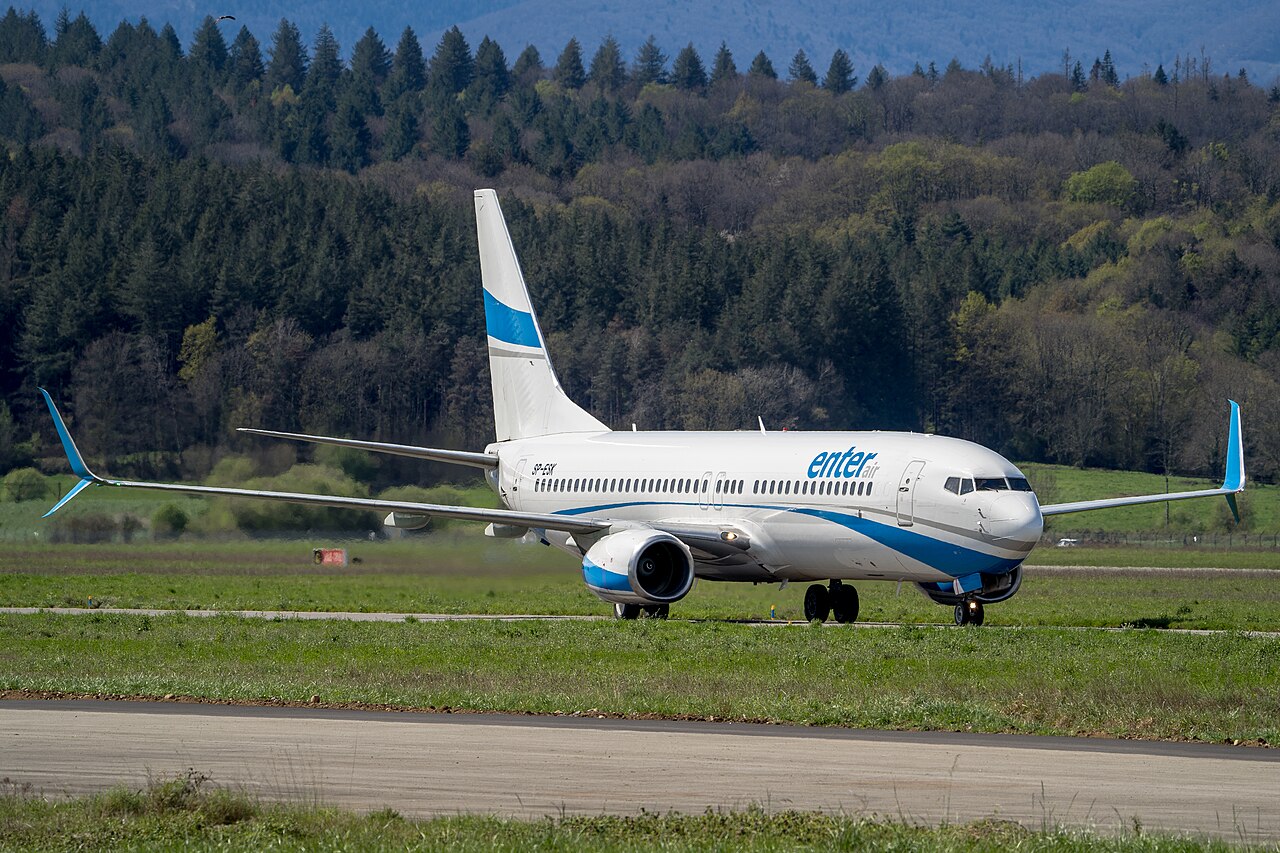
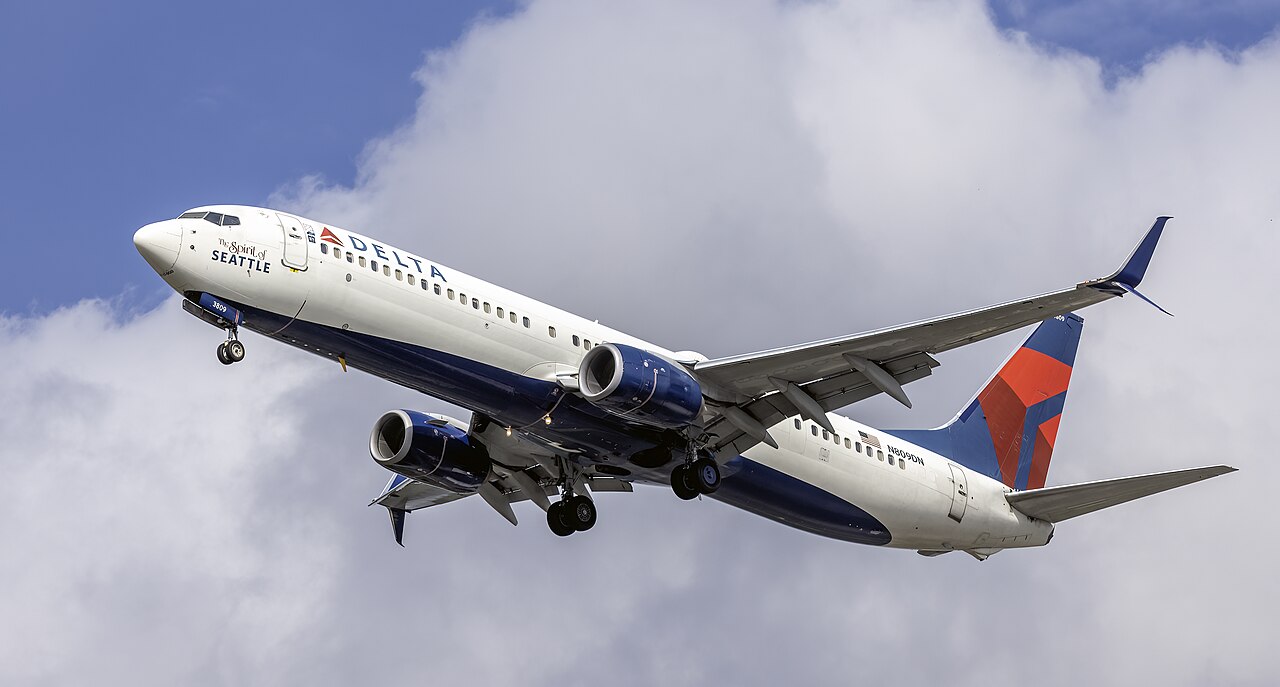
The Boeing 737 is an American narrow-body aircraft produced by Boeing at its factories in Washington state. Developed to complement the Boeing 727 on shorter routes where the 727 was less economical, the twinjet retained the 707 fuselage width and six abreast seating but with two underwing Pratt & Whitney JT8D low-bypass turbofan engines.
- First flight
- April 9, 1967 (737-100)
- Manufacturer
- Boeing
- National origin
- United States
- Variants
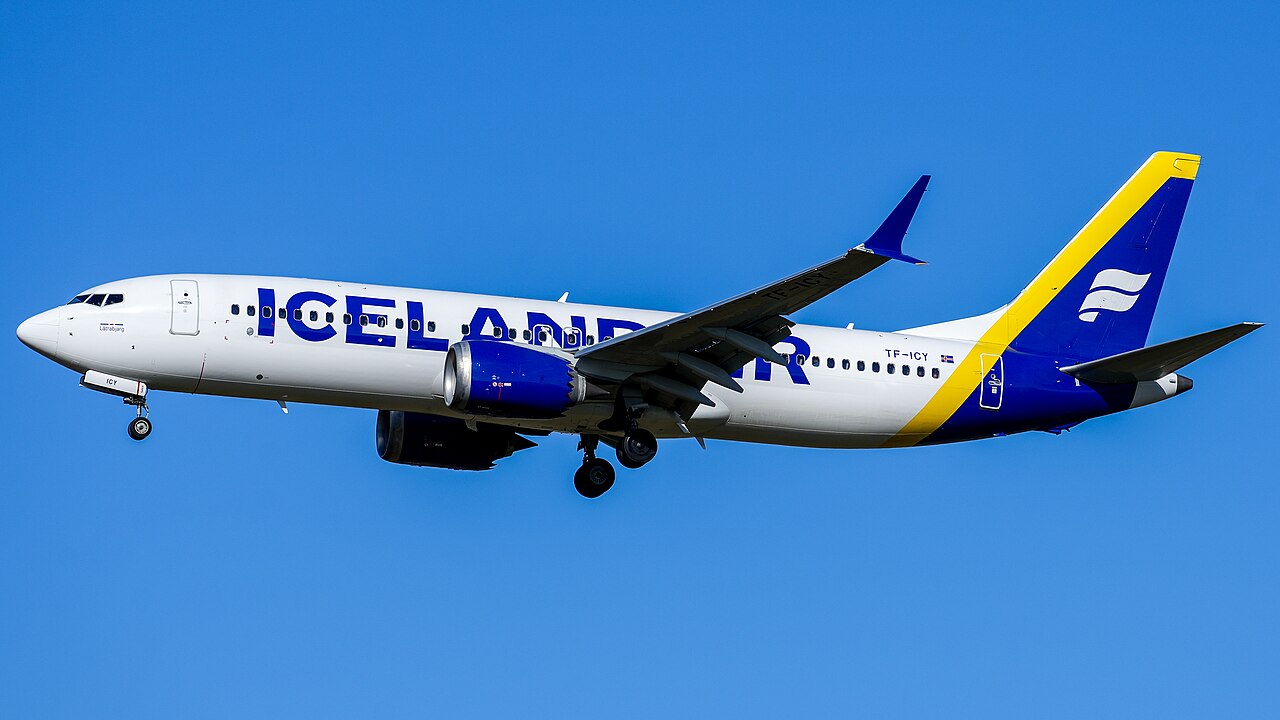
- Four generations: Original, Classic, Next Generation, MAX
Lore & Background
The Boeing 737 was developed to complement the 727 on shorter routes where the 727 was less economical. Engineer Joe Sutter relocated the engines from the aft fuselage to the wings, lightening the structure and allowing six-abreast seating. The engines are mounted on pylons under the wings, which helped shorten the landing gear and lower the fuselage for improved access. The 737 reused about 60% of the 727's parts and systems, but it was a new design, not a derivative of the 727.
Reader's Guide
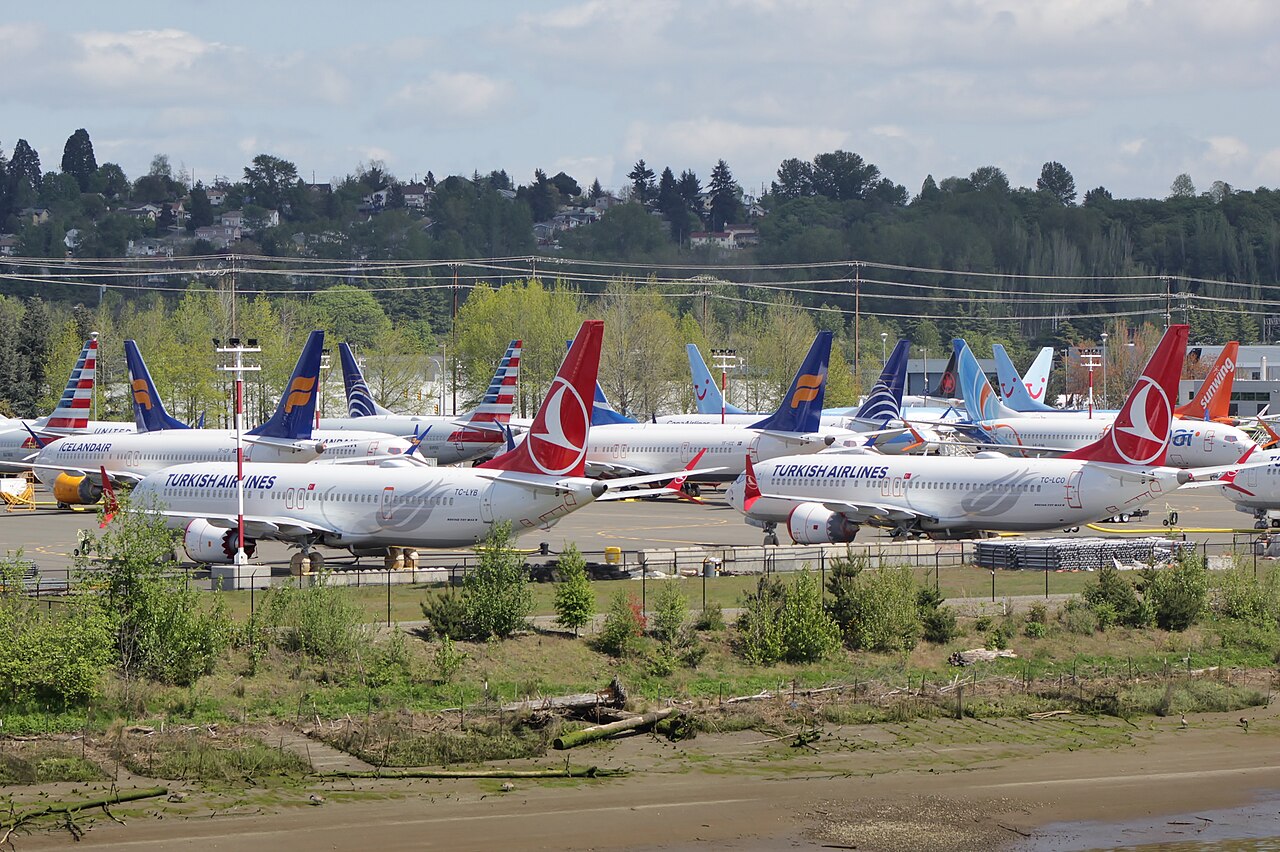
The Boeing 737 is significant as the best-selling commercial aircraft until October 2019, when it was surpassed by the Airbus A320 family in orders, though it maintained the lead in total deliveries until September 2025. Its four generations—Original, Classic, Next Generation, and MAX—introduced successive improvements in engines, seating capacity, and avionics. The 737 MAX was grounded worldwide between March 2019 and November 2020 following two fatal crashes.
Did You Know?
- The 737-100 received FAA certification for Category II approaches after its initial certification, but it was not the first aircraft to do so.
- The 737 MAX was grounded worldwide from March 2019 to November 2020 following two fatal crashes.
- The fuselage is manufactured in Wichita, Kansas, by Boeing spin-off Spirit AeroSystems, then moved by rail to Washington.
A Half-Century of Operational History
By March 2018, the ten-thousandth member of the family had entered service, a milestone spanning five decades of continuous production across four distinct generations: the Original, the Classic, the Next Generation, and the MAX. Yet this extraordinary commercial success exists alongside a safety record that, while statistically small relative to the sheer volume of flights, still carries a heavy human toll. Not every incident on the official list meets a threshold of notoriety, but together they paint a portrait of an aircraft family that has been in the air long enough to encounter virtually every category of failure, from mechanical malfunction to human error to external threats. The 737's story is, in many ways, a story of aviation's broader maturation.
First Flights and First Failures
The 737's earliest years in service were marked by incidents that tested the type's operational limits. Just one day later, a 737-100 collided with a small Piper Cherokee on approach to Reus Airport in Spain; the 737 landed safely, but all three people in the Piper perished. Pilot error sent the aircraft into the ground, killing 43 of the 61 people aboard and two more on the ground. The early 1970s also saw a 737-200 strike power lines on approach to New Delhi, killing 48, and a Western Airlines jet overshoot a snow-covered runway in Casper, Wyoming, destroying the airframe. These formative incidents established patterns—crew error, environmental conditions, and the challenges of a new type finding its footing—that would echo through later decades.
Hijackings and Hostage Crises
Hijackings represent a particularly grim and recurring chapter in the 737's accident history. When the aircraft was stormed in San Francisco, both hijackers and one passenger lost their lives. Four years later, in October 1977, four Palestinians hijacked a Lufthansa 737-230C named Landshut, demanding the release of seven Red Army Faction prisoners and fifteen million dollars. The captain was fatally shot during the ordeal, and on October 17, West Germany's GSG-9 unit stormed the aircraft, killing three of the four hijackers. That same year, a Malaysian Airline System 737-200 crashed into a swamp in Johor after both pilots were shot during a hijacking attempt; the aircraft entered a phugoid oscillation and dove, killing all 100 aboard. No one was injured.
The Deadliest Moments
Several 737 accidents stand out for the sheer scale of loss of life. Pacific Western Airlines Flight 314, a 737-200, crashed on approach to Cranbrook Airport in British Columbia on February 11, 1978, after thrust reversers failed to fully stow following a go-around executed to avoid a snowplow on the runway. Forty-two of the 48 people aboard perished. These events, spanning different decades and different variants, underscore that the 737's accident record is not confined to one era or one cause.
Common Misconceptions (Editorial)
- Some may think the 737 was a direct derivative or modification of the Boeing 727. In fact, while it reused about 60% of the 727's parts and systems, it was a new design, not a derivative. - It is a common error that the 737 was built to replace or succeed the 727. Actually, it was developed to complement the 727 on shorter routes where the 727 was less economical.
Why It Matters (Editorial)
For over five decades, the Boeing 737 has been the workhorse of global aviation, enduring through four generations of design and becoming the most-produced jetliner in history. Its resilience—despite setbacks like the MAX groundings—reflects both the difficulty of innovating in aerospace and the essential role affordable, reliable narrow-body aircraft play in connecting the world.
Gallery
Frequently Asked Questions
What is the Boeing 737?
The Boeing 737 is a twin-engine narrow-body jetliner manufactured by Boeing in Washington state, conceived in the mid-1960s as a shorter, cheaper alternative to the 727 for regional routes. It kept the classic 707-series fuselage width with six-abreast seating while replacing the trijet layout with two underwing turbofans.
What are the four generations of the 737 family?
The line-up grew through the Original (-100/-200), Classic (-300/-400/-500), Next Generation (-600/-700/-800/-900), and MAX (-7/-8/-9/-10) series. Each generation swapped in newer engines, avionics, and wing technology while preserving the core 707-derived tube.
Who was the launch customer and when did the 737 enter service?
The 737-100 completed its maiden flight on April 9, 1967, and Lufthansa became the first airline to operate it in revenue service the following February. The concept had been sketched as early as 1964 to give carriers a more economical option on shorter sectors where the 727 was over-capacity.
Why did the 737 become the best-selling airliner ever?
Its low, narrow fuselage kept gate, runway, and crew costs modest, making it highly profitable on high-frequency short-haul routes where bigger jets struggled to fill seats. Boeing's strategy of refreshing the same airframe through four successive generations let operators upgrade incrementally rather than replace fleets wholesale, locking in decades of repeat orders.
More in Airliners 1-20
Spotted an error? Know more?
This is a living reference — every entry is fact-audited, and reader corrections feed straight into our audit queue. Suggest an edit · See this site's audit record